Choosing a payment gateway in India: the differences that actually matter
Rates are broadly similar. Settlement timing, failure handling, and refund flow are where the real differences show up.
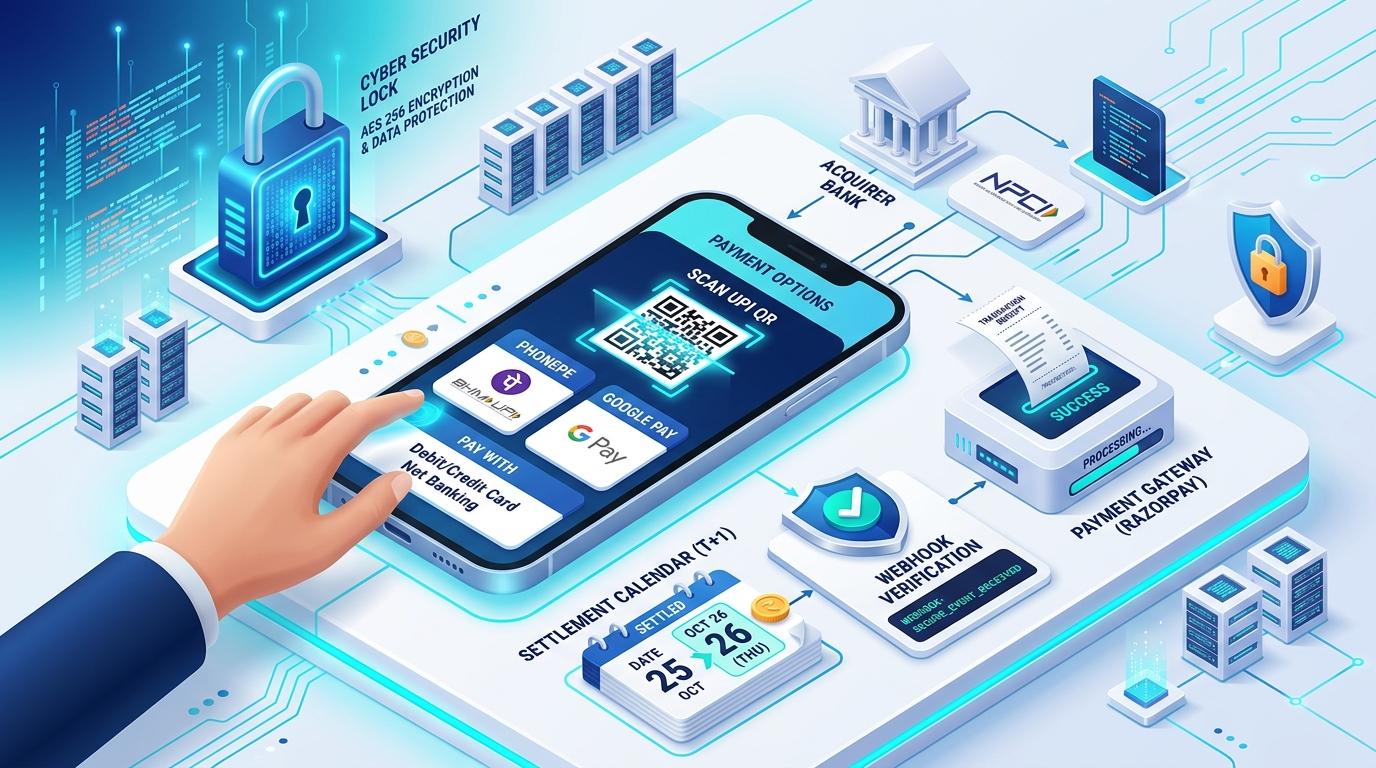
Compare settlement cycles before you compare rates. A gateway that settles on T+2 rather than T+1 is holding a day of your revenue permanently. Over a year, for a business with steady volume, that matters more than a fraction of a percent in fees.
Ask what happens to a failed payment. Some gateways retry automatically, some leave the customer at a dead end. If a parent's UPI payment fails and nothing tells them, your collection rate takes the hit rather than the gateway's.
UPI-only is genuinely enough for many Indian businesses, and it is the cheapest route by a distance. Cards and net banking are worth adding when you have customers who need them, not as a default.
Whatever you pick, insist on webhook-based confirmation rather than trusting the redirect back to your site. Customers close tabs, networks drop, and a payment that succeeded at the bank but never got recorded in your system is the worst outcome of all.
More engineering notes
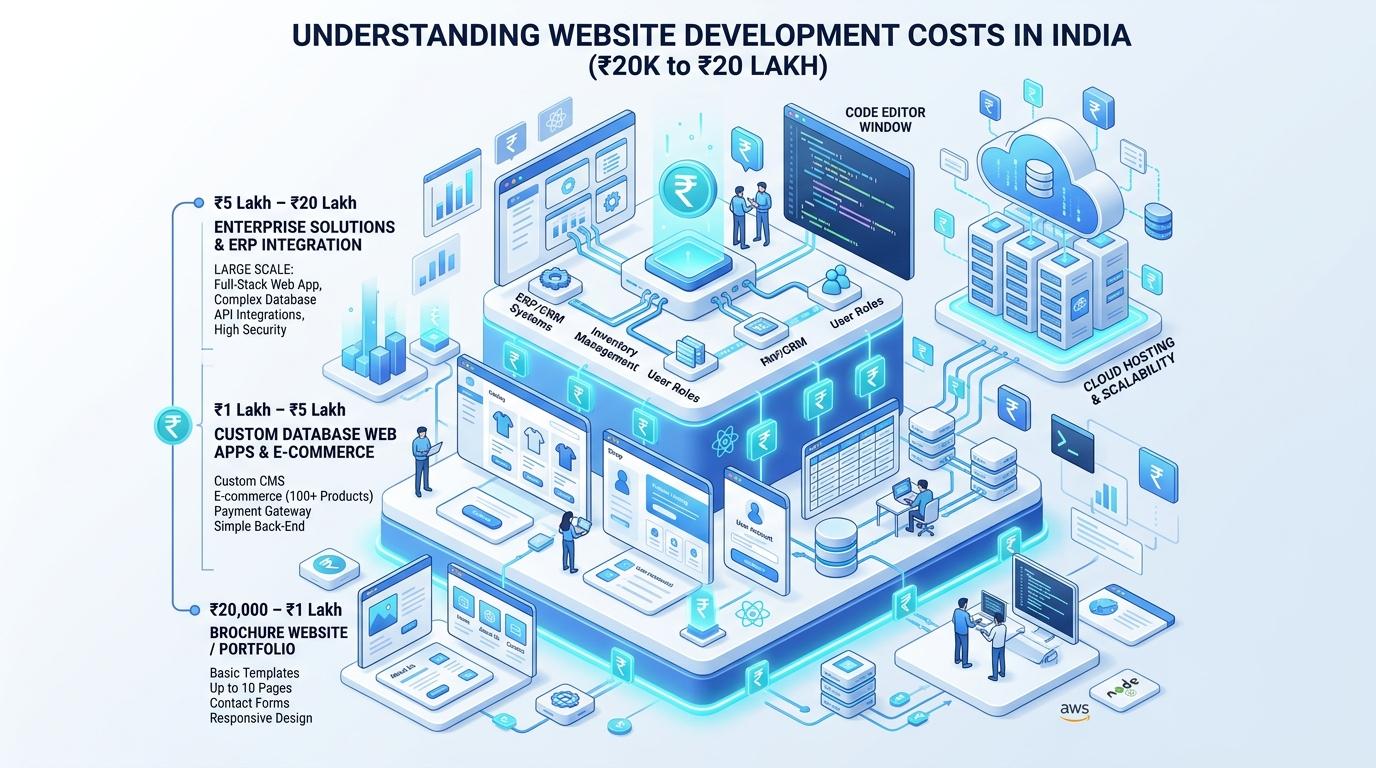
What a website actually costs in India, and what you are paying for
Quotes for the same brief range from ₹20,000 to ₹20 lakh. Here is what actually drives the number, so you can tell which end you are being quoted from.
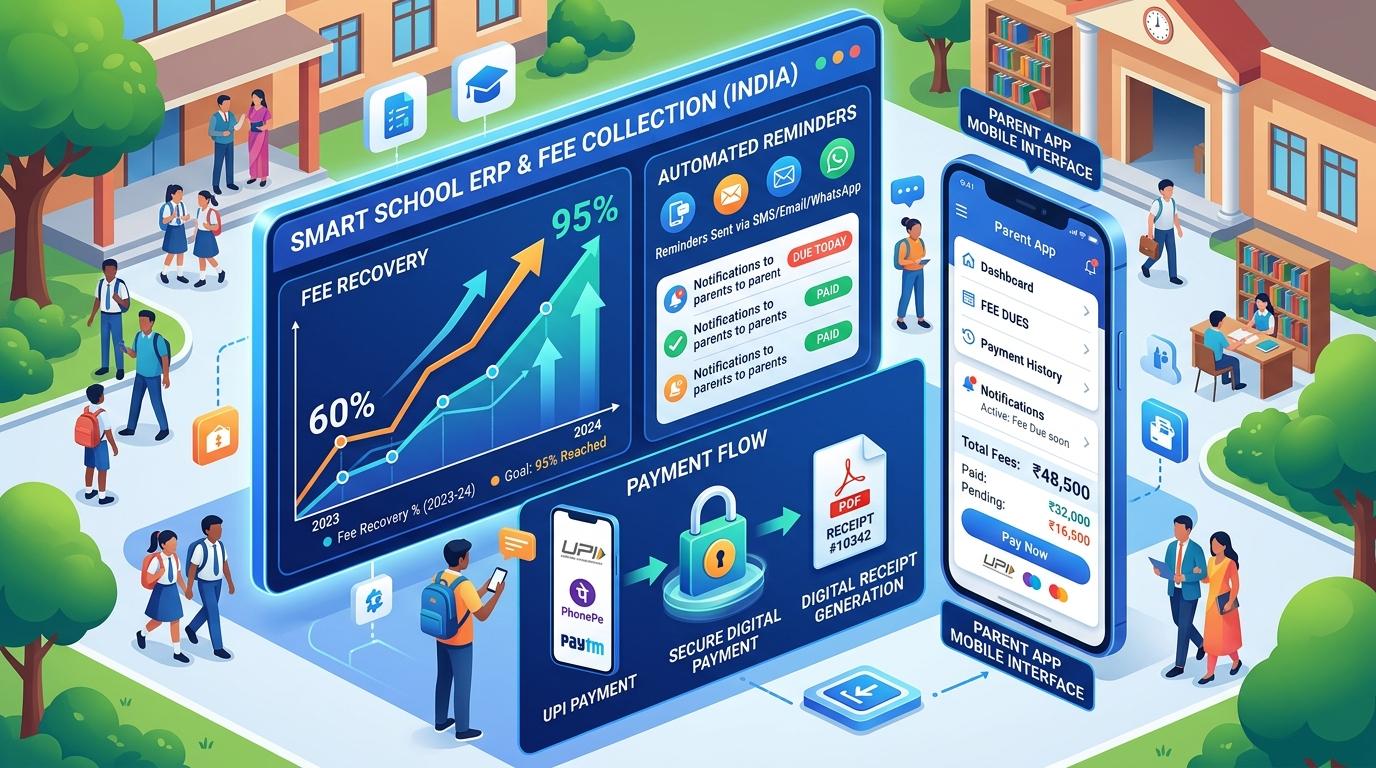
Why your fee collection is stuck at 60%, and what actually moves it
Most schools blame parents. In every institute we have worked with, the number moved when the process changed — not when the follow-up got louder.
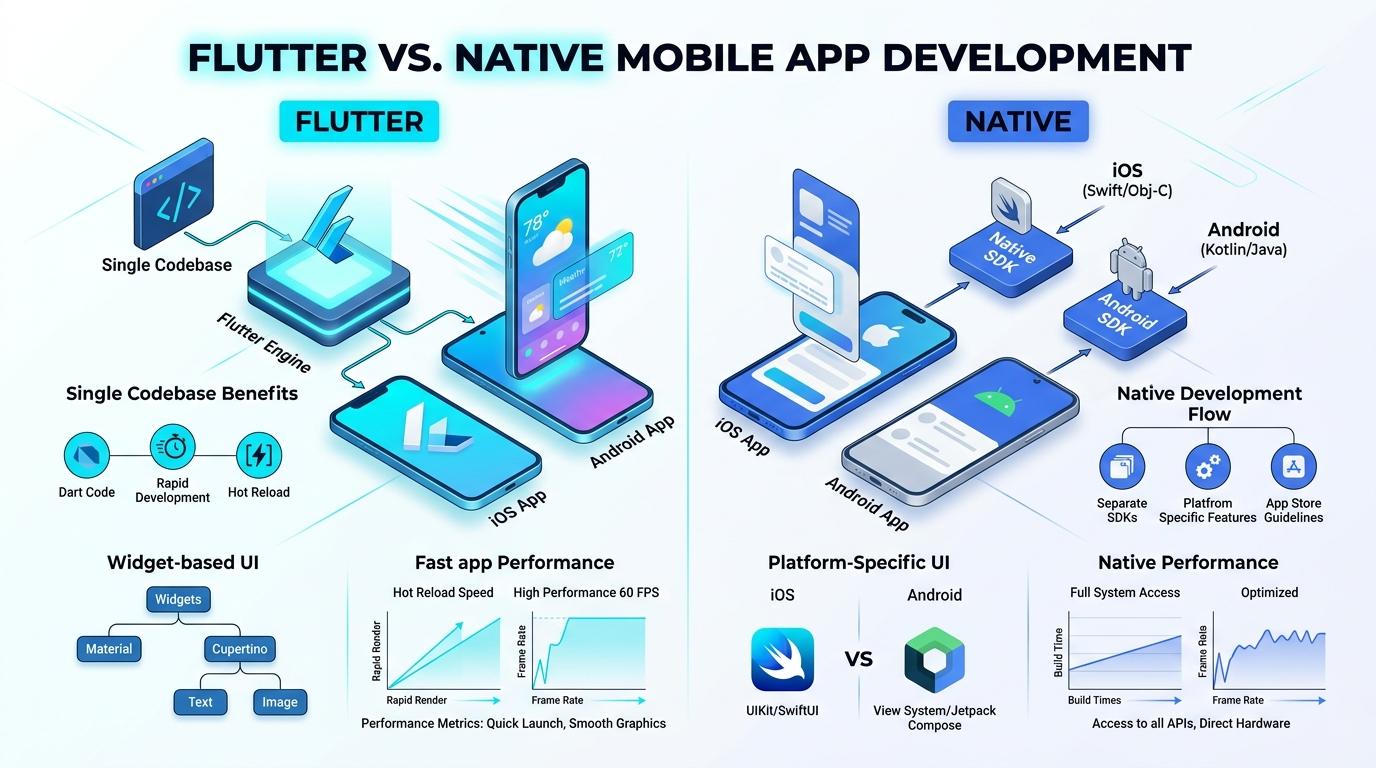
Do you need an app, or just a better website?
An app is a bigger commitment than most businesses realise. Three questions that tell you honestly which one you need.